Starting From Zero: The People Who Are Wiping Their Digital Slates Clean
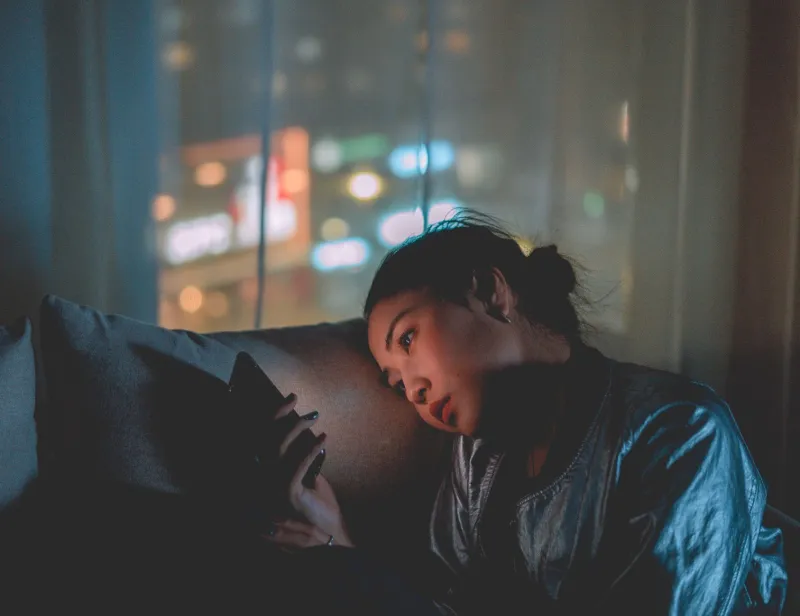
The photo had been sitting there for nine years. A 22-year-old version of herself, red Solo cup raised, captioned with a reference to a TV show she no longer watches and a version of herself she no longer recognizes.
Kira, now 31 and living in Seattle, had scrolled past it hundreds of times. And then one Tuesday evening, she didn't scroll past it. She deleted it. And then the next one. And then the one after that. Three hours later, her Instagram grid was empty. Her Facebook was deactivated. Her Twitter — now X — was gone.
"I felt like I'd taken a shower," she says. "A really long, really overdue shower."
Kira is part of a growing, quietly significant movement of people who aren't just logging off for a weekend or trimming their follow lists — they're doing something more total. A full digital reset. Scorched earth on their online histories, followed by either silence or a brand-new start.
The Weight of a Digital Past
Here's a problem that previous generations simply didn't have: your entire young adulthood, documented in real time, is potentially still accessible to anyone with an internet connection and enough patience to scroll.
The person you were at 19 — the opinions you held, the relationships you performed for an audience, the aesthetic you were experimenting with, the humor that hasn't aged well — is preserved in a kind of digital amber. Unlike a journal you can burn or a photo album you can shove under a bed, your online history has a way of just... persisting. Quietly. Until it doesn't.
For a lot of people, that persistence has started to feel less like a memory bank and more like a liability.
"I changed a lot in my twenties," says Derek, a 29-year-old from Nashville who deleted five years of Twitter posts last year. "My politics changed. My sense of humor changed. The way I talked about people changed. But all that old stuff was still there, and it just felt like wearing a Halloween costume you outgrew."
Why People Do It
The reasons people undertake a full digital purge tend to cluster around a few distinct motivations, and they don't always overlap.
The Identity Shift. This is Derek's situation — the values, personality, or worldview has genuinely changed, and the old content no longer represents who they are. Sometimes this is political. Sometimes it's personal growth. Sometimes it's just getting older and cringing at a past self who took very strong public stances about, say, which Fast & Furious movie was the best.
The Privacy Reckoning. As awareness of data collection, employer social media screening, and digital permanence has grown, some people are doing a kind of risk audit on their online presence. They're not ashamed of their past — they just don't want it indexed and searchable forever.
The Relationship Reset. Breakups, falling-outs, estrangements — sometimes a digital purge is less about the content itself and more about the people attached to it. Deleting four years of couple photos isn't just about the photos.
The Aesthetic Overhaul. Particularly on Instagram, some people delete old posts simply because they no longer match the visual identity they're curating now. It's less psychology, more interior design.
And then there's a fifth category that's harder to name — the people who just want to feel like they have a choice. In a world where so much data is collected without consent, deliberately destroying your own archive is an act of control. Small, maybe. Symbolic, definitely. But real.
The New Account Phenomenon
For some, the purge isn't enough. They don't just delete — they start over entirely. New username. New profile picture. New bio. Sometimes they don't even tell their existing followers.
This practice — sometimes called going "private and new" in online communities — is particularly common among younger users who feel trapped by the persona they built in their teens. The followers they accumulated over years know a version of them that no longer exists. Starting fresh means building an audience — or just a presence — that knows only who they are now.
There's something almost poignant about it. A person essentially saying: the account you followed isn't me anymore. I'm going to go be someone else, somewhere else, and you might not find me.
It's a kind of digital witness protection, self-administered.
Is It Liberation or Just Another Trap?
Here's the harder question, though: does any of this actually work?
Deleting your posts doesn't delete the memory of making them. Unfollowing everyone doesn't undo the relationships. And there's an argument — a fairly compelling one — that the impulse to wipe your digital history clean is less about genuine freedom and more about a different kind of perfectionism.
If the pressure to curate your online life perfectly is what created the problem, is the solution really more curation? More control? Or is the fresh-start impulse just the same anxiety wearing different clothes?
Some therapists who work with clients on digital wellness have started to notice this pattern. The relief of deleting is real, but temporary. Without addressing the underlying discomfort — with being seen, with impermanence, with the gap between your online self and your actual self — the new account eventually accumulates its own baggage.
"I deleted everything and started a new account," admits Priya, a 26-year-old from Atlanta. "Felt amazing for about three weeks. And then I started worrying about the new posts. Was this one too much? Did that caption make me sound weird? The anxiety followed me right over."
The Case for Keeping the Mess
There's a counterintuitive argument that the digital past — even the embarrassing parts, maybe especially the embarrassing parts — is worth keeping.
Not because cringe content should live forever, but because the discomfort of seeing your past self is actually evidence of growth. The 22-year-old with the Solo cup and the dated TV reference grew into someone who looks back at that photo and sees distance. That distance is something.
Deleting her might feel clean. But she was also real.
Kira, who emptied her Instagram that Tuesday evening, has thought about this. She doesn't regret the purge. But she's also not sure it changed anything fundamental.
"I feel lighter," she says. "But I also know the next thing I post, I'm going to think about whether I'll want to delete it someday." She pauses. "Maybe that's just what it is now. Maybe that's just how we live."
Maybe. Or maybe the goal was never a perfect archive — it was just a life, documented imperfectly, by a person who was figuring it out as they went.