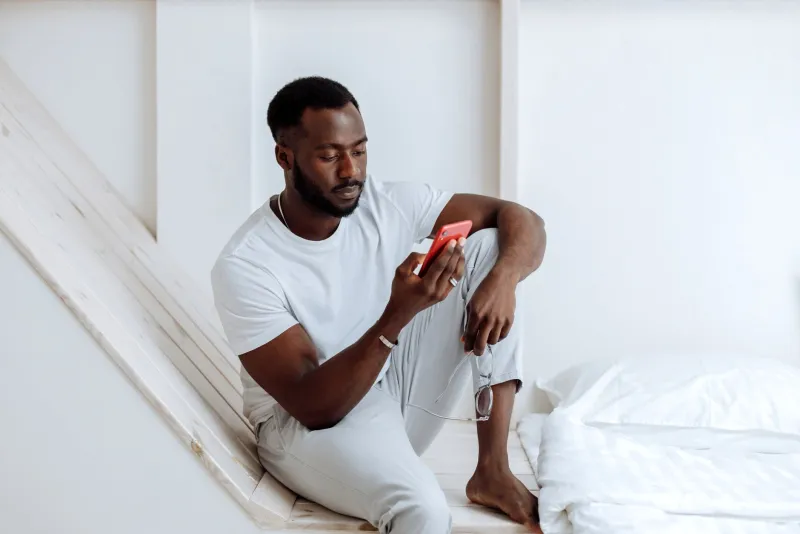
Empty Calendars Are the New Corner Office: How Boredom Became a Power Move
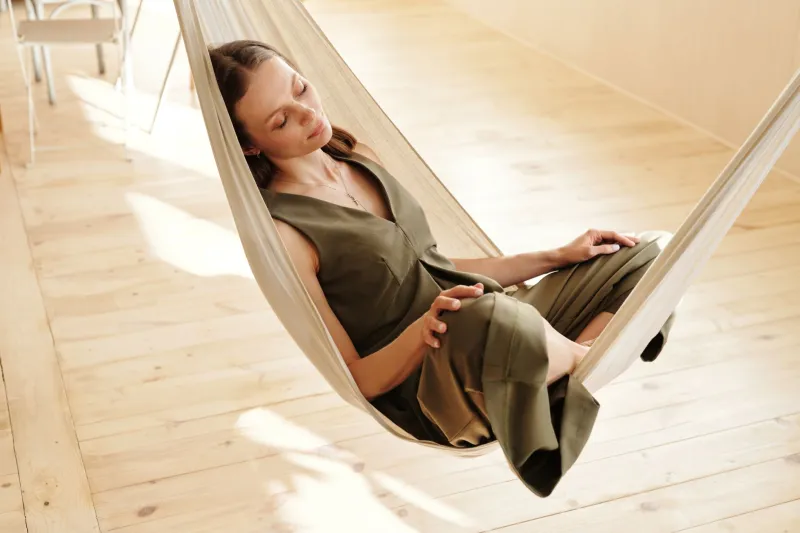
The Meeting That Nobody Wants to Schedule With You
Remember when being slammed at work was the whole personality? When rattling off a packed agenda was basically a humble brag dressed in khakis? For a solid decade or two, busyness was currency. The more stretched thin you were, the more essential you seemed. People wore their exhaustion like a badge of honor at dinner parties, competing over who slept less, who traveled more, whose inbox was a genuine disaster zone.
Something shifted. Quietly at first, then all at once — the way these cultural tides tend to move.
Now, the most enviable thing a certain kind of person can tell you is that they genuinely have nothing going on. No meetings. No side hustle. No optimized morning routine. Just... Tuesday, wide open, with nowhere to be. And somehow, that sounds like the most luxurious sentence in the English language.
When 'I'm Bored' Became a Flex
It sounds counterintuitive at first. Boredom has historically been something we're supposed to cure — fill it, fix it, scroll past it. But psychologists and cultural critics have been watching a fascinating reversal take shape, particularly among high earners and the professionally successful.
The logic isn't complicated once you sit with it. If your time is valuable — genuinely, financially valuable — then protecting large unscheduled chunks of it signals something meaningful. It says you're not at the mercy of other people's demands. You don't have a boss pinging you at 9 PM. You've built something, or inherited something, or positioned yourself somewhere that affords you the radical luxury of deciding what your afternoon looks like.
In a country where the average worker takes less than half their available vacation days and where 'grinding' has been glorified across Instagram, LinkedIn, and every motivational podcast you've ever half-listened to, choosing idleness is genuinely countercultural. And countercultural choices, when made by people with resources, have a funny way of becoming status markers.
The Wellness Industry Smelled the Money
You didn't think the wellness space was going to miss this one, did you?
The same industry that sold us on productivity hacks, five-AM wake-ups, and journaling frameworks has pivoted — hard — toward the art of doing nothing. 'Rest as resistance' started as a social justice concept rooted in Tricia Hersey's Nap Ministry, a genuine and meaningful movement about Black rest and reclaiming time from exploitative systems. But like most powerful ideas, it got absorbed into the mainstream marketplace pretty quickly.
Now you've got luxury retreats in the Hudson Valley and the California desert selling 'digital detox' weekends for upward of $2,000. There are $180 journals designed to help you 'schedule unstructured time.' Meditation apps have added 'boredom tolerance' sessions. High-end spas offer what they're calling 'blank space days' — essentially, you pay a significant amount of money to sit quietly in a nice room and not do anything in particular.
The commodification of emptiness is, when you think about it, a very American thing to do. We found a way to sell the absence of consumption. Remarkable, really.
What Different Generations Are Actually Doing With This
Here's where it gets a little more complicated, because 'boredom as status' doesn't land the same way across age groups and income levels.
For older millennials — the ones who came of age during the hustle culture peak, graduated into a recession, and spent their twenties being told to be grateful for unpaid internships — the appeal of an empty calendar is visceral and earned. Many of them are now hitting their late thirties and early forties with a very clear sense that the grind didn't pay off the way they were promised. The pivot toward slowness feels less like a trend and more like a correction.
Gen Z, on the other hand, is approaching this from a different angle entirely. A significant portion of younger workers never fully bought into the hustle mythology in the first place. The 'lazy girl job' conversation, the quiet quitting discourse, the general skepticism about corporate loyalty — these aren't about achieving enough success to earn rest. They're about rejecting the premise that exhaustion equals virtue from the jump. For them, protecting their time isn't a reward. It's a starting condition.
And then there's the genuinely wealthy — the people for whom an empty calendar has always been structurally possible, even if culturally they felt pressure to perform busyness anyway. For this group, openly embracing idleness is less a shift in values and more a permission slip finally granted by the culture at large.
The Boredom Gap Nobody's Talking About
Here's the part that deserves more airtime: not everyone who wants an empty Tuesday can have one.
For millions of Americans working multiple jobs, managing caregiving responsibilities, or navigating economic precarity, the 'boredom as luxury' conversation can feel alienating at best and tone-deaf at worst. Unscheduled time is, in a very real and practical sense, a financial privilege. The ability to sit with nothing to do — without anxiety, without consequence — requires a kind of stability that isn't universally available.
This doesn't invalidate the cultural shift. But it does mean we should hold it with some nuance. When the wellness industry packages stillness as a product and celebrities post about their 'nothing days,' there's a version of this conversation that centers people who already have options. The more interesting — and more necessary — version asks what it would take to make rest accessible across income brackets, not just aspirational for those who can afford the $2,000 retreat.
So Is This Actually Good for Us?
Short answer: probably, yes, in the right doses.
Research on boredom has been quietly fascinating for years. Studies suggest that tolerating unstructured time is linked to increased creativity, better emotional regulation, and a greater capacity for self-reflection. When your brain isn't chasing the next input, it enters what neuroscientists call the default mode network — the mental state associated with daydreaming, problem-solving, and making unexpected connections. Some of the best ideas people have ever had showed up during a long shower or a boring commute, not during a perfectly optimized productivity sprint.
The irony is that by making space for nothing, you might actually end up doing more interesting things. But that's probably not the point. The point, increasingly, is that the nothing itself has value. Not as a productivity strategy. Just as a way of being alive that doesn't require justification.
The Quiet Revolution of the Open Afternoon
If the old status symbol was the packed schedule — the calendar screenshot, the back-to-back Zooms, the 'I'm slammed but let me try to squeeze you in' — the emerging one might just be the wide-open afternoon with no particular plan.
That's a strange thing to say in a culture that has historically measured worth in output. But culture moves, and right now it seems to be moving toward something that at least gestures at a more sustainable relationship with time.
Whether that shift reaches everyone, or whether it stays a luxury experience for the few — that's the question worth sitting with. Preferably, with nothing else on your schedule.