The Silent Purge: What Your Unfollow Button Says About Who You're Becoming

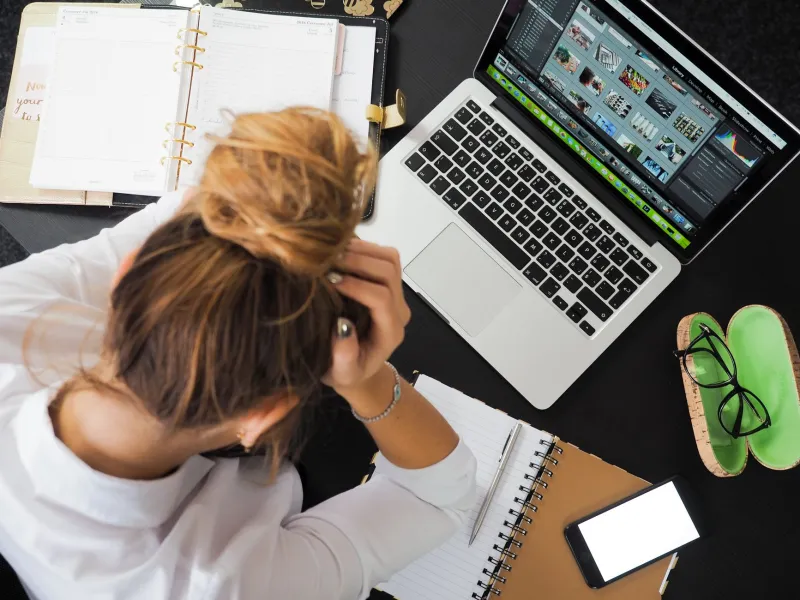
Photo by Photo by Becca Tapert on Unsplash on Unsplash
Somewhere between the third unsolicited political rant and the fifteenth gym selfie in a row, something clicked for Danielle, a 31-year-old marketing coordinator from Austin, Texas. She didn't send a message. She didn't pick a fight. She just quietly hit unfollow on someone she'd known since high school — someone she'd probably smile at if she ran into them at a grocery store — and moved on with her day.
"It felt weird," she admits. "Like I was breaking up with someone who didn't even know we were dating."
Danielle isn't alone. Across the country, people are performing what sociologists are starting to call social media curation — the slow, deliberate act of reshaping your digital world to better match who you actually are right now. No announcements. No explanations. Just a quiet tap and a cleaner feed.
The Unfollow Economy
Let's be real: social media started as a way to stay connected to everyone. Your college roommate, your childhood neighbor, your cousin's ex who you sort of kept up with because she posted great recipes. The whole pitch was more — more friends, more connections, more of everything.
But somewhere along the way, more started feeling like a lot. And people started pushing back.
According to a 2023 Pew Research survey, nearly half of American social media users have unfollowed, muted, or blocked someone in the past year — and the number climbs even higher among millennials and Gen Z. The reasons range from "their content just doesn't interest me anymore" to "they post things that genuinely stress me out." What's striking is how rarely those reasons involve an actual falling-out. This isn't about drama. It's about design.
"People are finally starting to treat their social media feed the way they treat their physical space," says Dr. Rachel Morrow, a clinical psychologist based in Chicago who works with clients on digital wellness. "You wouldn't keep a piece of furniture in your living room that made you anxious every time you looked at it. Why would your feed be any different?"
The Mute Button: A Coward's Move or a Genius One?
For those who find unfollowing too permanent — or too risky, socially speaking — there's the mute. Instagram, X (formerly Twitter), and Facebook all offer some version of it, and it has become the Swiss Army knife of passive digital management.
Muting is the polite fiction of modern social life. You're technically still "friends." You just... don't see them. Ever. Until they bring up their latest post at brunch and you have to perform the kind of vague enthusiasm usually reserved for describing a movie you definitely didn't watch.
Marcus, a 28-year-old teacher from Philadelphia, has muted 40-plus people across his various accounts. "I think of it as putting them in a waiting room," he says. "They're not gone. I just don't have to deal with them unless I choose to."
Psychologists note that the mute button actually reflects a sophisticated emotional calculus. You're weighing the real-world relationship cost of a full unfollow against the mental health cost of continued exposure. Sometimes the mute is the kindest option for everyone involved.
Why Does Unfollowing Feel So Guilty?
Here's the thing nobody talks about: unfollowing someone you actually know feels bad. Even when you know it's the right call. Even when their content makes you scroll faster and breathe a little shallower.
Dr. Morrow points to what she calls "digital relationship ambiguity" — the blurring of lines between real-world relationships and their online representations. "When you unfollow someone in real life, there's no notification. You just drift apart gradually," she explains. "Online, there's a button. It's a decision. It feels like an action with consequences, even when the other person may never notice."
And therein lies the anxiety spiral: What if they check? What if they notice? What if they bring it up? For many people, this guilt is enough to keep them subscribed to content that genuinely bothers them for months, sometimes years.
The irony? Most people never notice. Instagram doesn't send alerts. Facebook buries follower counts. Unless someone is actively auditing their list — which, yes, some people absolutely do — the silent exit usually goes undetected.
Is This Actually Healthy, or Just Avoidance?
There's a version of this story where digital curation is a beautiful act of self-care — setting limits, protecting your energy, building a feed that reflects your values. And there's another version where it's just anxiety wearing a wellness costume.
"I think both can be true simultaneously," says Dr. Morrow. "Curating your feed thoughtfully is healthy. But if you're unfollowing anyone whose opinions ever challenge you, or cutting out people the moment they show any complexity, that can become a form of insulation that doesn't actually serve you."
The distinction, she suggests, comes down to why you're unfollowing. Is it because someone's content consistently makes you feel worse about yourself? That's a reasonable limit. Is it because they posted something you mildly disagreed with once? That might be worth examining.
There's also the broader cultural question of what it means when we all retreat into perfectly curated feeds that only reflect back what we already believe. It's comfortable. It's also a little isolating, in ways we don't always acknowledge.
The New Social Contract
What's emerging from all of this is something like a new, unspoken agreement about what online connection actually means. Following someone used to feel like a commitment — a declaration of interest. Now it's more like a subscription you can cancel anytime, no hard feelings.
For some people, that flexibility is liberating. For others, it creates a low-grade anxiety about the fragility of their digital relationships — a sense that any of their followers could quietly disappear at any moment, and they'd never know why.
Danielle, who started this whole conversation with a high school unfollow, says she's made peace with the ambiguity. "I realized I was keeping people in my feed out of obligation, not because I actually cared about what they were posting. And that's not fair to either of us, honestly."
Maybe that's the most honest thing about the great unfollow: it's not really about the people we're cutting out. It's about finally being honest about who we actually want to let in.
And sometimes, a quiet tap on a button is the most authentic thing we do all day.