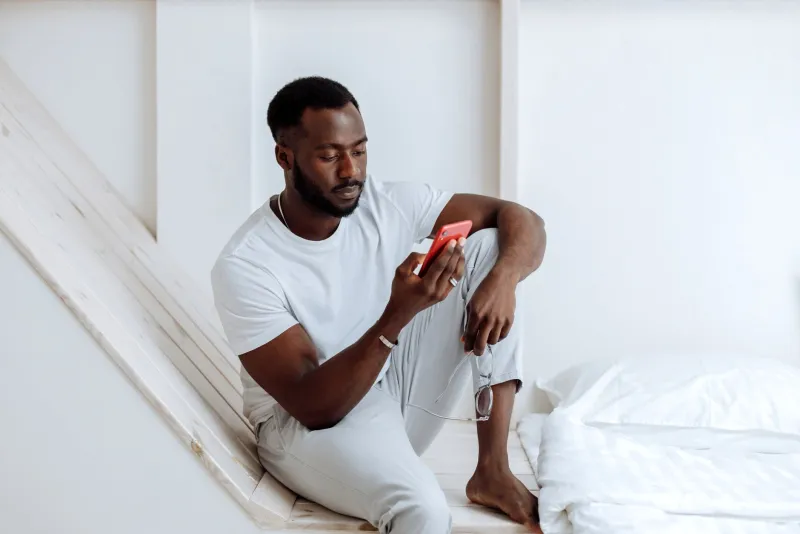
Nobody Told You You'd Miss the Commute — But Here You Are
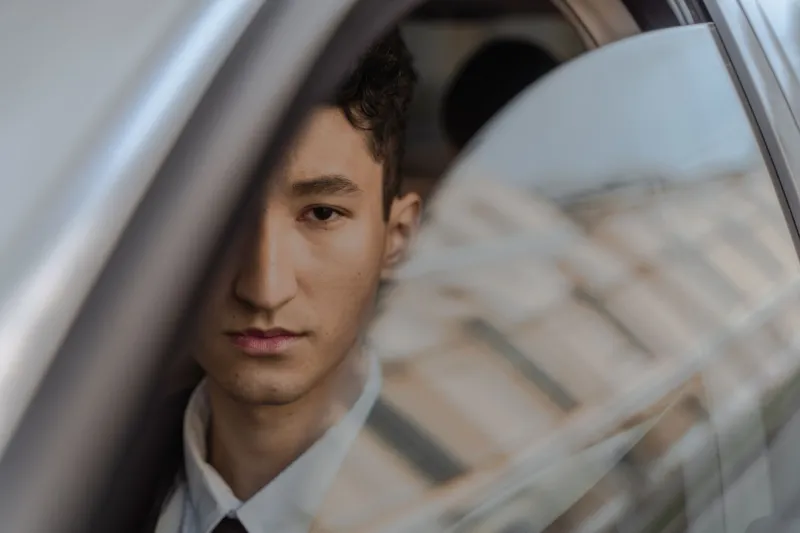
For years, the commute was the villain. It was the thing you complained about at dinner parties, the reason you downloaded three different traffic apps, the daily grind that ate your mornings and spat you out at night. So when remote work arrived — first as a pandemic necessity, then as a permanent arrangement for millions of Americans — ditching the commute felt like winning.
Fast forward a few years, and something weird is happening. People are grieving it.
Not the traffic, obviously. Not the packed subway cars or the $6 parking or the guy who always microwaved fish in the office break room. But something else. Something harder to name. That strange, in-between stretch of time that belonged entirely to you — and apparently, you needed it more than you realized.
The Invisible Buffer You Didn't Know Was Protecting You
Here's what the commute was actually doing, even when it felt like a waste: it was creating a psychological border between two very different versions of you. Work-you and home-you. The person who answers emails and the person who watches TV in sweatpants. For decades, that transition happened automatically, built into the architecture of daily life.
When remote work collapsed that border, a lot of people assumed they'd just... adapt. And in many ways, they did. But researchers and therapists have started noticing a pattern: without that buffer, work doesn't really end. It bleeds. The laptop stays open. The Slack notifications keep coming. And because you're already home, there's no clear moment where you get to exhale and say, okay, that part of the day is over.
Psychologists actually have a term for what the commute provided: "role transition." It's the mental process of shifting from one identity to another, and it turns out humans are pretty bad at doing it cold turkey. The commute, as mundane as it was, gave your brain time to run that transition in the background.
"I Used to Hate That Drive. Now I Kind of Want It Back."
Talk to remote workers long enough and you'll start hearing versions of the same confession. A marketing manager in Austin admits she used to sit in her car for ten minutes after pulling into the garage, just listening to the radio, before going inside. A software developer in Chicago says his 45-minute El ride was the only time during the day when nobody needed anything from him. A teacher in Atlanta describes her commute home as "decompression time" — windows down, music up, brain slowly letting go of whatever chaos the classroom had thrown at her.
These aren't people who loved commuting. They're people who accidentally loved what commuting gave them: enforced alone time with zero obligations.
And now that it's gone, they're piecing together what exactly they lost.
The New Burnout Nobody's Really Talking About
Burnout gets discussed a lot these days, usually in the context of overwork or toxic workplace culture. But there's a quieter version spreading through the remote workforce that doesn't get as much airtime. Call it boundary burnout — the slow erosion of self that happens when your home and your office occupy the same four walls, indefinitely.
Without a commute marking the start and end of the workday, many remote workers report feeling like they're always either working or feeling guilty about not working. The physical act of leaving a building — locking up, walking to the car, merging onto the highway — used to externalize the act of leaving work. Now that ritual is gone, and nothing has fully replaced it.
The result, for a lot of people, is a low-grade, chronic exhaustion that's hard to explain to anyone who hasn't experienced it. You're home. You should feel relaxed. Why don't you feel relaxed?
What People Are Actually Doing About It
Here's where it gets interesting: rather than just accepting the blur, people are getting creative about manufacturing transition rituals from scratch.
Some are taking "fake commutes" — literally walking around the block before logging on in the morning and again after closing the laptop at night. It sounds goofy, but the people doing it swear by it. The act of physically leaving and returning home, even for fifteen minutes, apparently does something real to your brain's sense of structure.
Others are leaning into audio. Podcasts and audiobooks that were once reserved for the car are now being saved specifically for a morning walk or an end-of-day decompression session — deliberately recreating that "me time" quality the commute used to deliver.
Some remote workers have gotten stricter about their physical workspace. A dedicated room with a door that closes. A chair that's only for work. The idea being: if geography can't create the boundary, maybe furniture can.
And then there are the people who've started going back to coffee shops, libraries, or coworking spaces — not because they need the WiFi, but because they need the commute. The act of going somewhere, even somewhere nearby, gives the workday a shape that working from the couch simply doesn't.
What This Says About Us
There's something kind of poignant about all of this. For generations, Americans wore their busyness like a badge of honor. The hustle, the grind, the packed schedule — these were status symbols. The commute fit neatly into that identity. It was proof that you were out there, doing the thing, contributing.
But underneath all that noise, people were quietly treasuring their alone time — and the commute, annoying as it was, reliably delivered it. It was stolen time, in a way. Time that belonged to neither work nor family, where nobody could reasonably expect anything from you because you were just... in transit.
Losing that has forced a lot of people to reckon with something they never had to articulate before: they actually need time that's just theirs. Not productive time. Not family time. Just empty, purposeless, nobody-needs-me time.
Maybe the Lesson Isn't About the Commute
It's tempting to romanticize the commute, but let's be honest — most of them were genuinely unpleasant. Nobody's longing for a breakdown on the 405 or a delayed Metro train in August.
What people are really missing is the permission structure the commute provided. It gave them an excuse to be unavailable, to be in between, to be neither fully on nor fully off. And for a lot of Americans, especially those who struggle to set boundaries or ask for alone time outright, that excuse was invaluable.
The remote work revolution was supposed to hand us back our time. In many ways, it did. But time without structure, it turns out, isn't always the same as time for yourself.
Maybe the real takeaway isn't that we should bring back the commute. Maybe it's that we should get a lot more intentional about building in the thing the commute was secretly providing all along: a daily moment that belongs entirely to you, with no apologies required.